A studio where engineers talk to clients, designers ship to production, and nobody's work disappears into a backlog.
Real ownership
You own a surface end to end — architecture, calls with the client, the release. Squads are four to six people, never twenty.
Ship every Friday
Weekly demos to real users, not internal decks. The feedback loop is days, so your judgement compounds fast.
Range, on purpose
Fintech one quarter, industrial IoT the next. Four years here looks like ten years of surface area on your CV.
Benefits
The basics, done properly.
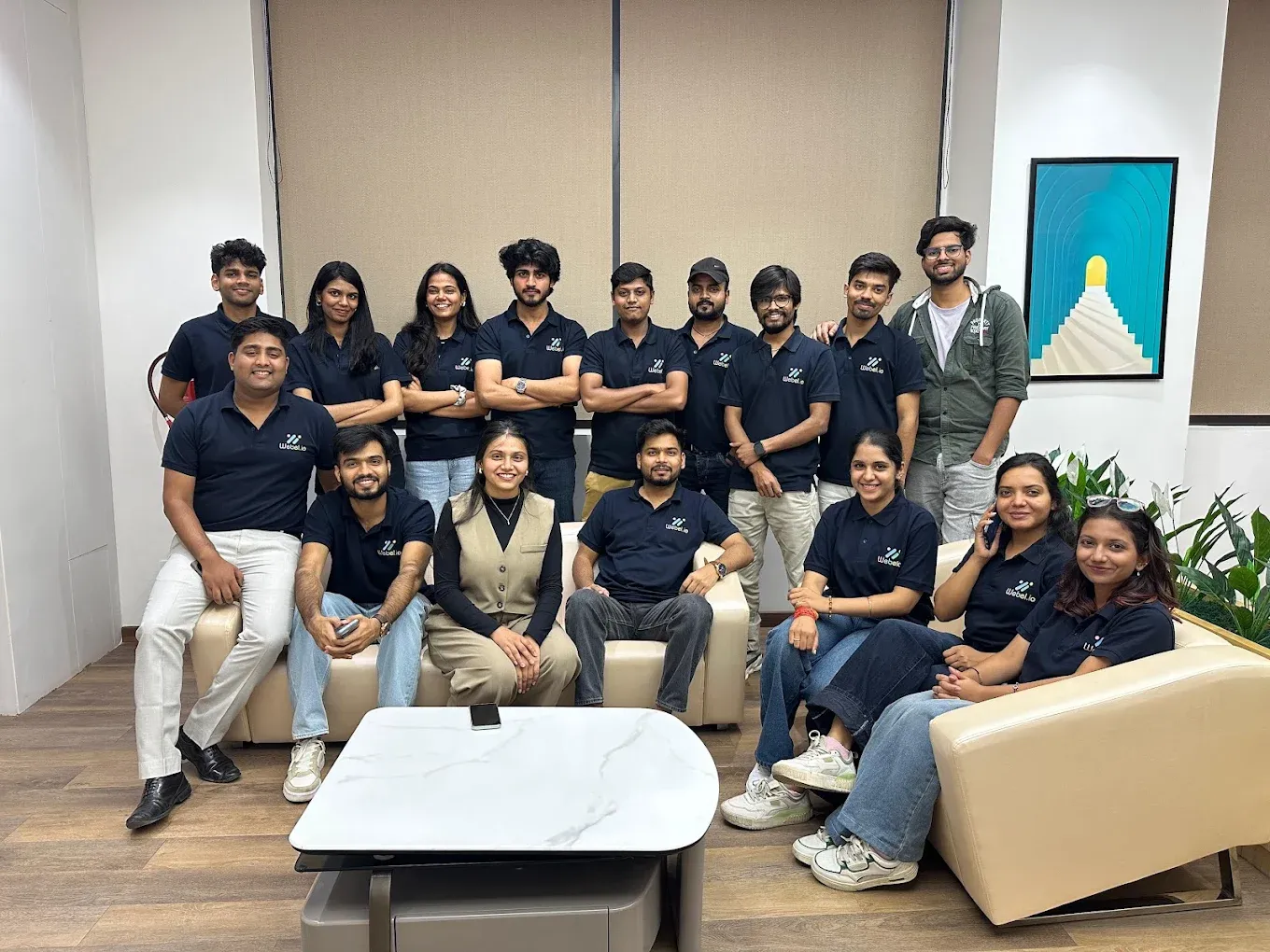
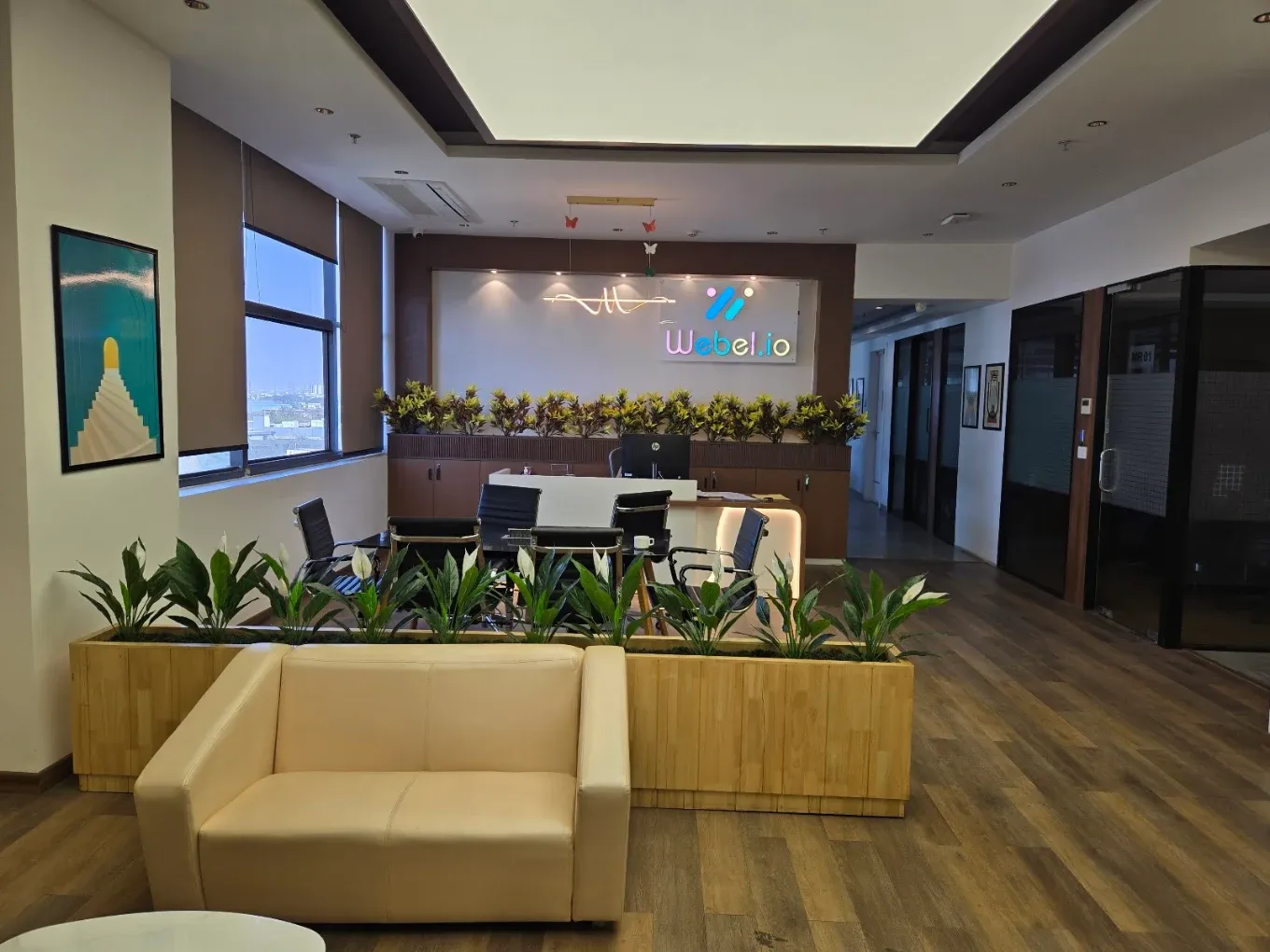
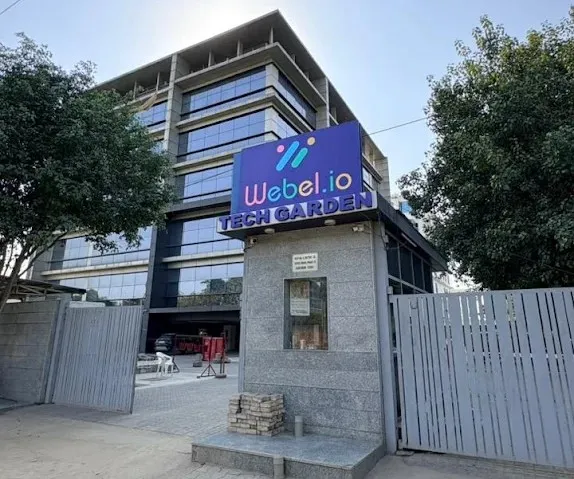
Four things we actually argue about
These aren't wall posters. They're the tiebreakers we use in code review, in pitches and in performance conversations. Hover any value to see how it shows up.
Craft beats volume
One considered release is worth five rushed ones. We would rather cut scope than ship something we would not use ourselves.
Own the outcome
The job is the client’s result, not the ticket. If the spec is wrong, say so before you build it.
Say the hard thing early
Bad news travels fastest here. Slipping dates, shaky architecture, a decision you disagree with — day one, not week six.
Teach what you learn
Knowledge that lives in one head is a risk. Write it down, present it, pair on it.
8 roles open right now
Five steps. Twelve days. No take-home marathons.
Every stage is scheduled within 48 hours of the last, and you get a decision either way — with reasons.
Application
One short form. No login, no 12-page profile, no re-typing your CV.
Intro call
25 minutes with the team lead you would work with. Your questions get equal time.
Craft session
Real work from a real project, paired with two engineers. Paid if we ask for prep.
Team & values
Two people outside your discipline. How you decide, disagree and hand off.
Offer & decision
Written offer with the band, the level and the ladder. Reasons either way.
Your next level is written down before you ask for it
A public ladder, a budget with your name on it, and a mentor whose review includes how well you grew someone else.
Promotion reviews run twice a year against these written expectations — no calibration theatre, no waiting for a seat to open.
₹1,00,000 a year, yours to spend
Courses, certifications, conferences, hardware for a side experiment. One-line approval, no business case.
Friday guilds & internal talks
Six guilds — AI, mobile, security, cloud, design, delivery. Every engineer presents at least twice a year.
A mentor from week one
Weekly 1:1s for your first six months, then monthly for as long as you want them. Mentors are reviewed on it.
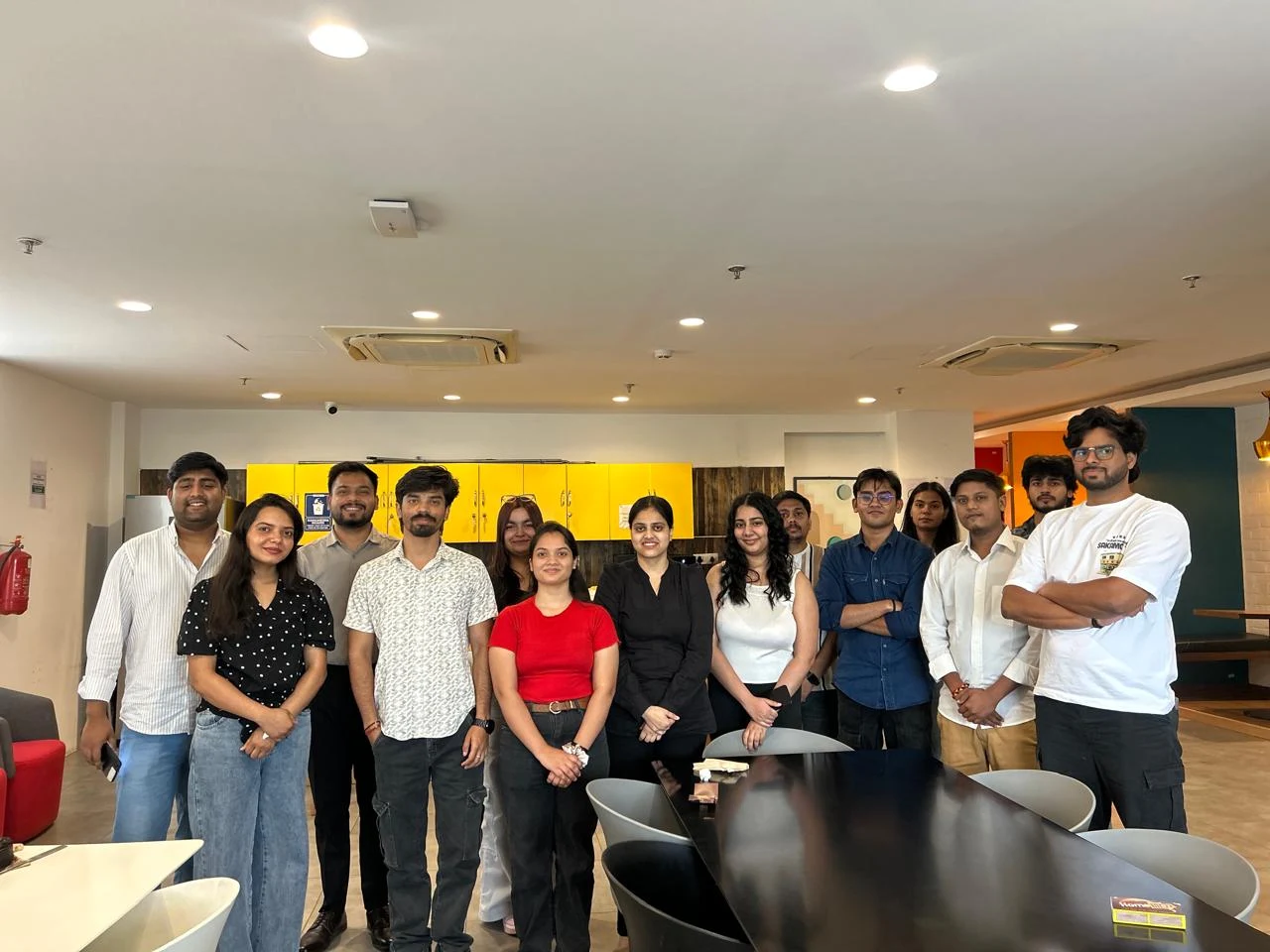
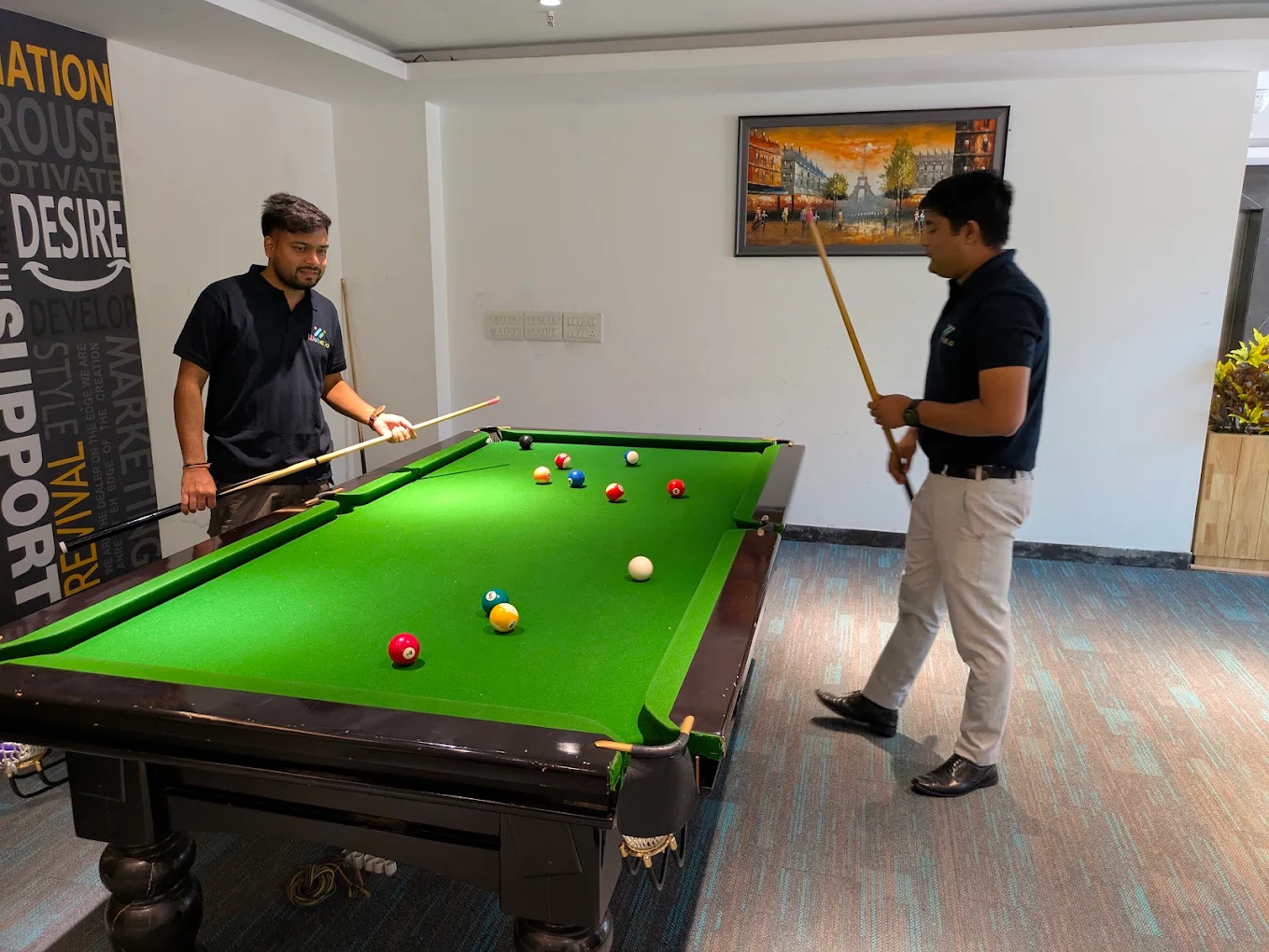
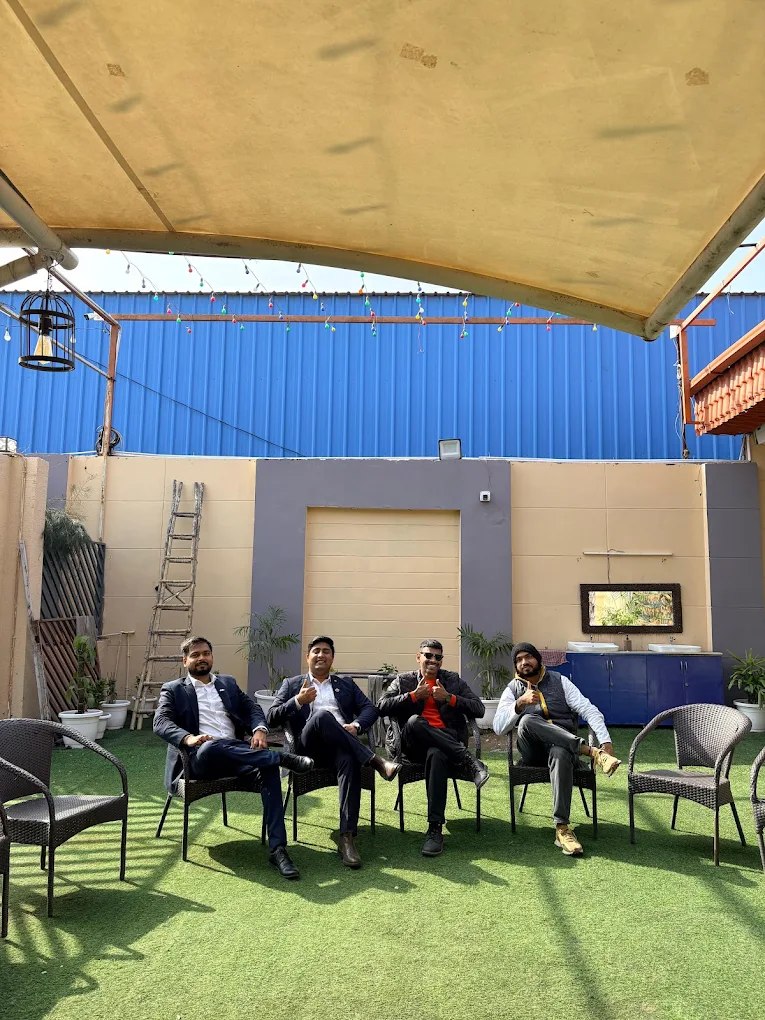
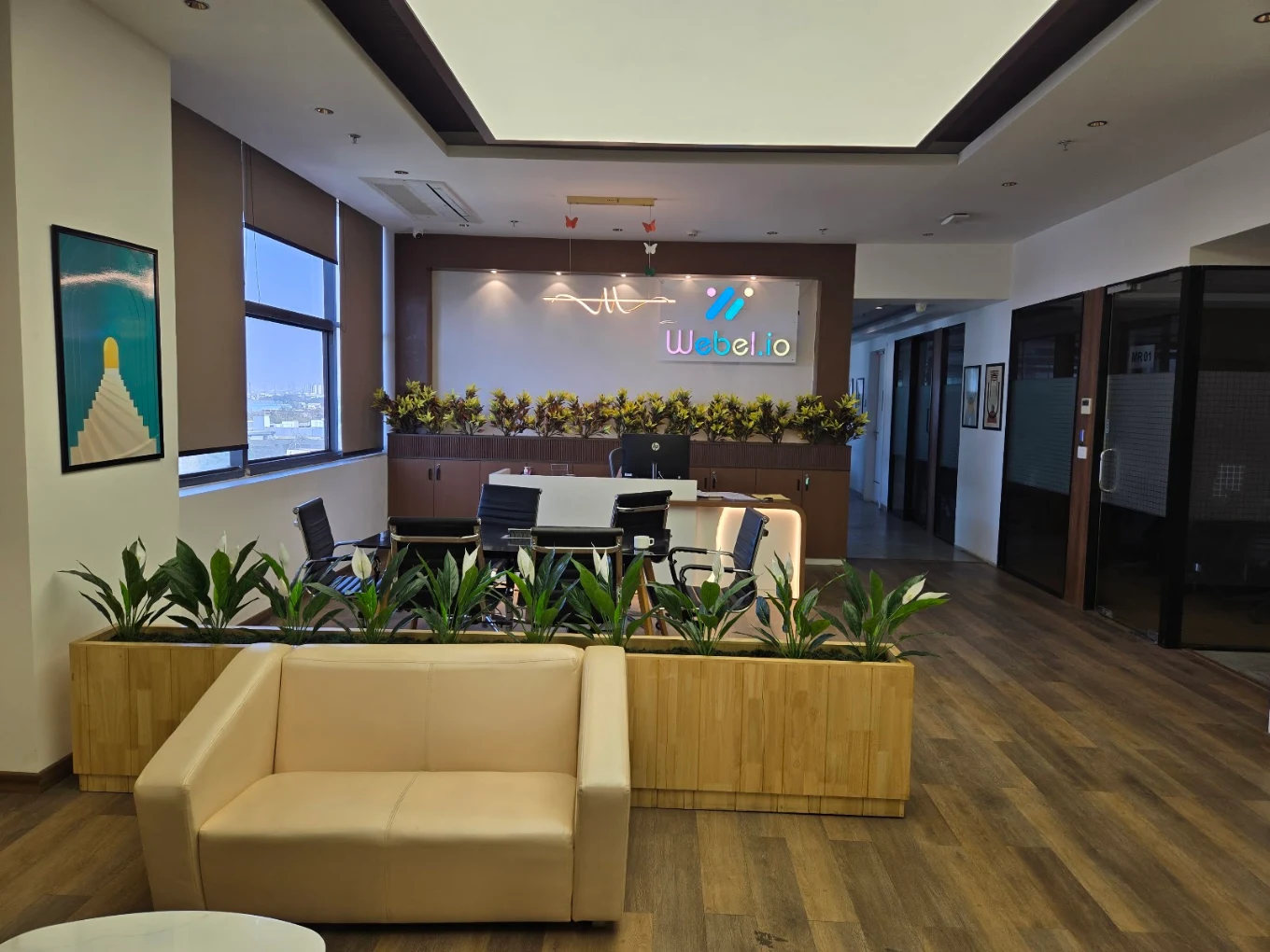
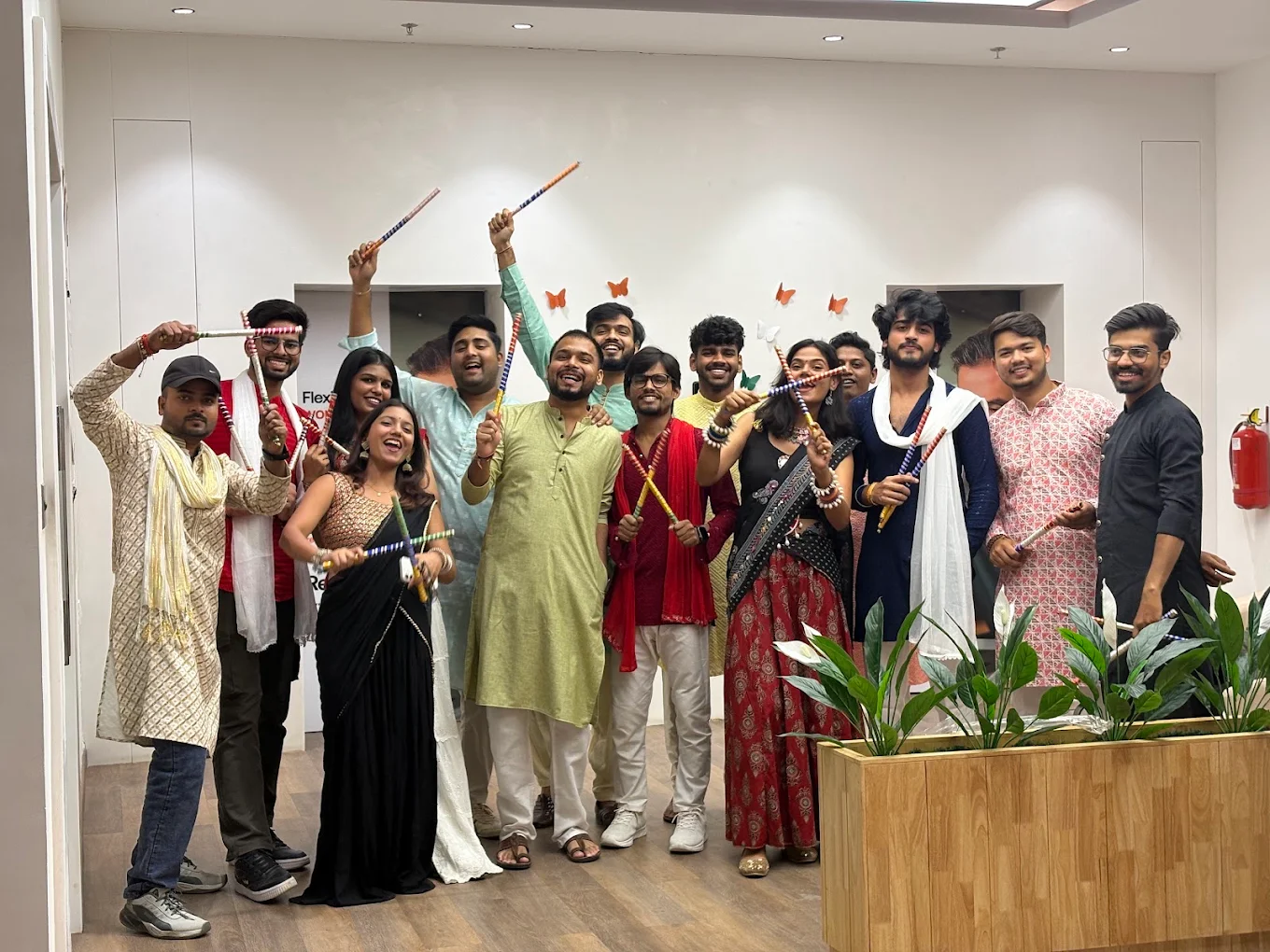
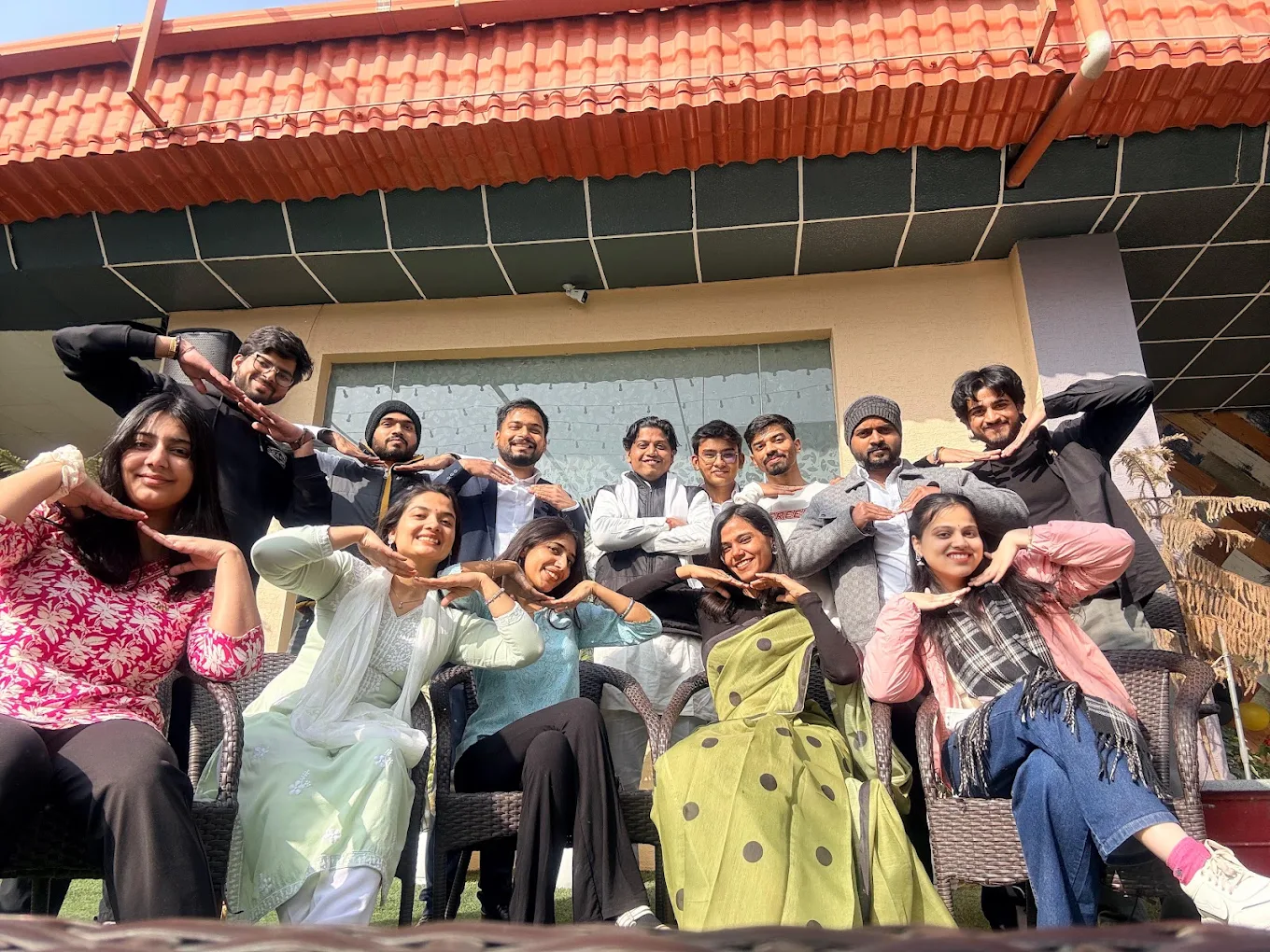
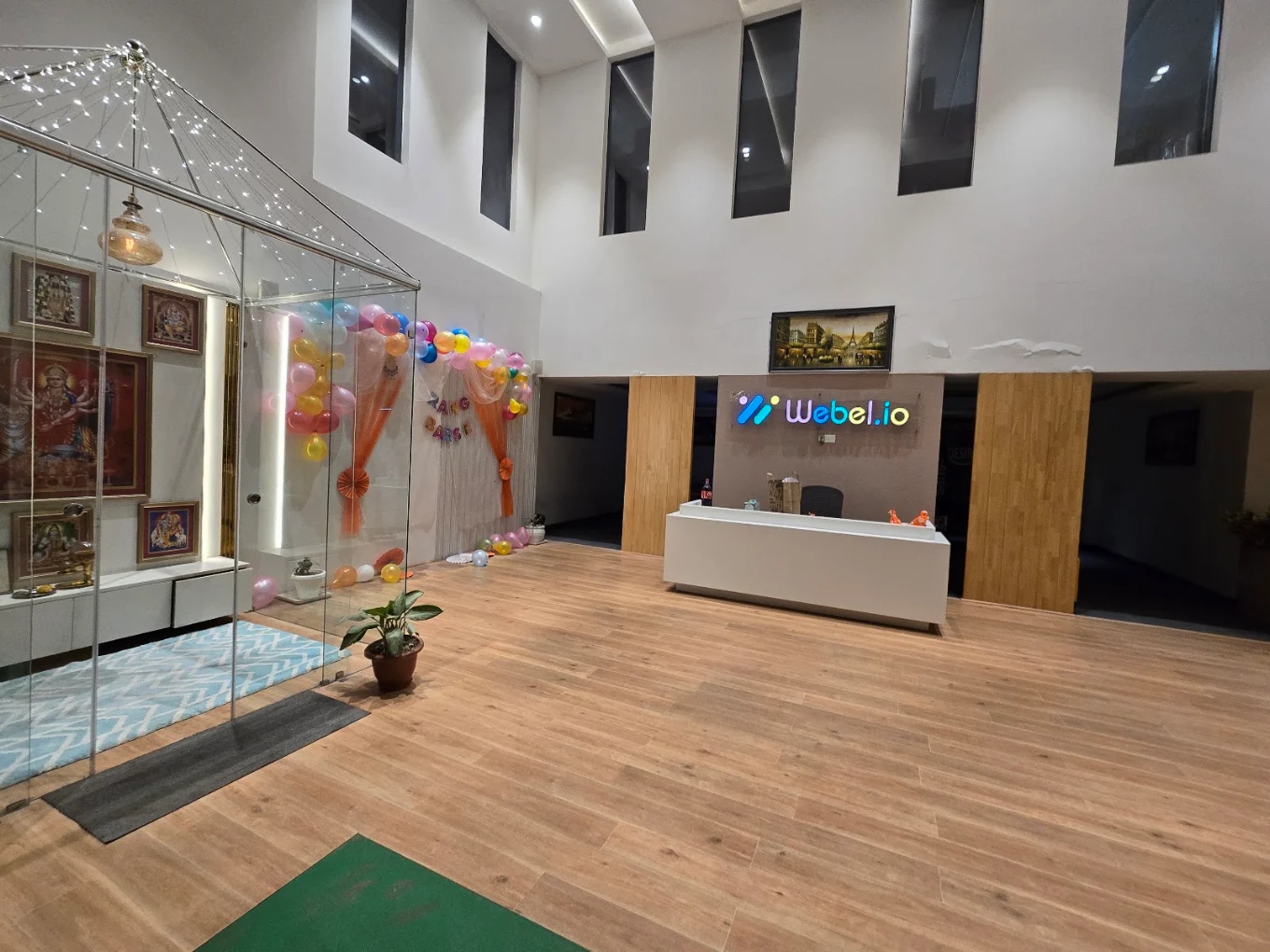
Life at Sedawk.
Demo days, festivals, launch weeks and the annual offsite nobody schedules a meeting during. This is the room you would be joining.
Questions candidates actually ask
Do you hire fully remote?
+Yes, for most engineering and AI roles within IST ±3 hours. Design and delivery roles are hybrid — two days a month in a studio, travel covered. We are async-first by default: decisions live in writing so timezone is never a tax.
What does the interview loop look like for engineers?
+Intro call, a 90-minute paired craft session on real project work, then a values conversation. Three conversations, twelve days median, no take-home marathon and no whiteboard algorithm trivia. If we ask you to prepare anything longer than an hour, we pay for it.
I do not match every line of the job description. Should I still apply?
+Apply. We hire for trajectory and judgement, and roughly a third of our current team applied to a role they were not a literal match for. Tell us which parts you have done and which you want to grow into — that answer matters more than the checklist.
Do you consider applications when nothing is open in my discipline?
+Always. We open headcount for the right person about twice a quarter, and several of our senior hires arrived through a general application. Use the general form and be specific about what you would want to own.
Do you offer internships or apprenticeships?
+We run a six-month paid apprenticeship twice a year — March and September — with four to six places across engineering and design. It is structured, mentored, and about 70% of apprentices convert to full-time roles.
How is compensation decided?
+Bands are set per level and per studio location, reviewed annually against market data, and the band is shown to you in the written offer. We do not negotiate against your previous salary and we do not ask for it.


 +9
+9Join us to build great products.
One form, five minutes, a real reply within four days — whichever way it goes.
Start Your Application →